Why I Built This
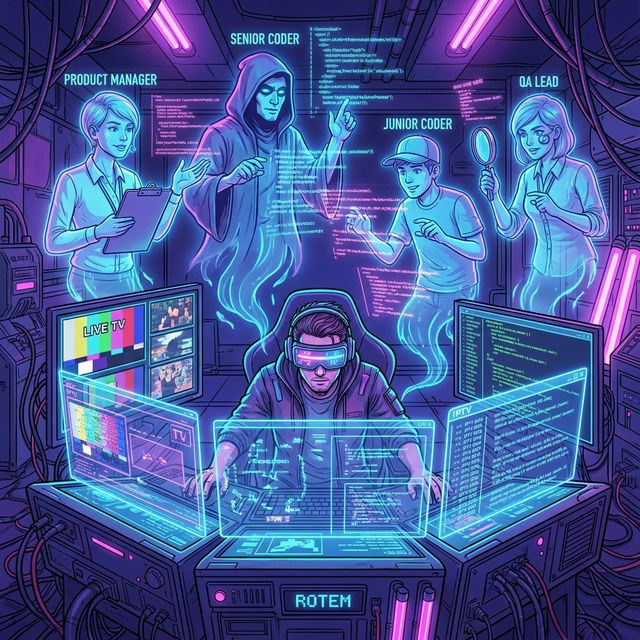
Every infrastructure story eventually splits into two timelines. In timeline one, everything is a demo: clean prompts, pretty outputs, and zero consequences. In timeline two, you run that same setup under deadlines, incidents, and stakeholder pressure while your coffee gets cold in real time. This site exists because timeline two always wins.
I did not start with a manifesto. I started with impatience and a suspicious number of browser tabs. We had strong models, fast momentum, and a mountain of engineering tasks. At first it felt like wizardry. Then reality entered: context loss, inconsistent decisions, invisible state, and forensic archaeology through giant chat logs trying to answer the oldest question in software: \"who changed this and why?\"
The First Version Was Fast and Fragile
Our early flow looked modern from the outside. We had agents. We had prompts. We had urgency. But under the hood, we were running on vibes. Task ownership blurred. Acceptance criteria changed mid-stream. QA became optional because everyone "kind of knew" what success looked like. Predictably, regressions appeared in places nobody expected.
The core problem was not model quality. The problem was workflow physics. A system with hidden state cannot guarantee repeatable outcomes. If the source of truth is scattered across message history, no one can reliably replay decisions or verify boundaries. It is all confidence theater until production disagrees.
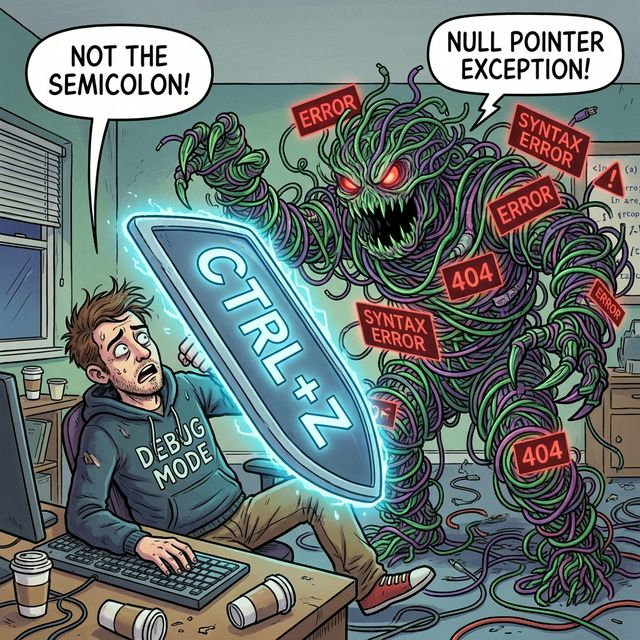
The Pivot: Put State on Disk
The breakthrough was anti-glamorous and wildly effective: move critical state out of prompts and into files. Instead of treating the conversation as the product, we treated it as a tool. The product became physical artifacts: task specs, status transitions, acceptance checklists, and validation evidence.
Before: "I think we already tested that."
After: "Show me the test commands in the task file and the observed output summary."
That small shift changed everything. A task file gave us scope boundaries. Folder transitions gave us lifecycle clarity. Independent QA replay forced us to verify behavior instead of narrating confidence. Human review gates ensured final risk ownership stayed explicit. None of this felt flashy. All of it felt reliable.
Why the Tone Here Is So Opinionated
Because generic advice does not survive real operations. Most content in this space stops at patterns that sound smart. I care about patterns that still work at 2:00 AM when something critical breaks, logs are noisy, and everyone is asking for updates now. That is the standard behind these stories.
So yes, the tone is dramatic on purpose. It reflects the lived arc: confusion, friction, hard resets, and eventually a sharper system that no longer depends on heroics. This is not fiction. It is what happens when you stop optimizing for \"looks smart in a screenshot\" and start optimizing for \"survives Tuesday.\"
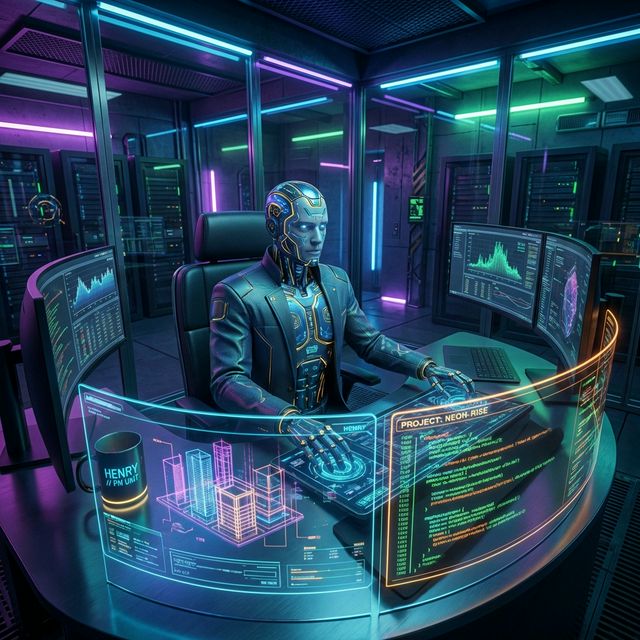
What This Project Is Really Trying to Prove
- Determinism is more valuable than raw generation speed.
- State transitions should be inspectable by humans, not guessed from chat context.
- Independent QA is not bureaucracy; it is the anti-hallucination layer.
- A clear human gate keeps accountability where it belongs.
- Good process makes strong models better; bad process makes strong models dangerous.
Those are the ideas, but the site is not here to argue in abstract. The site is here to publish battle-tested templates, failure postmortems, operating patterns, and the language needed to explain all this to teams that are still trapped in demo mode.
Who This Is For
This is for people already doing the work: engineering leaders who are accountable for outcomes, operators running multi-agent pipelines, PMs trying to keep scope sane, and QA folks tired of signing off on guesses. If that sounds like your week, then these notes are for you.
If you want perfectly neutral content, you will not find it here. If you want practical clarity from someone who has burned through the bad versions and kept the useful ones, welcome.