Failure Files
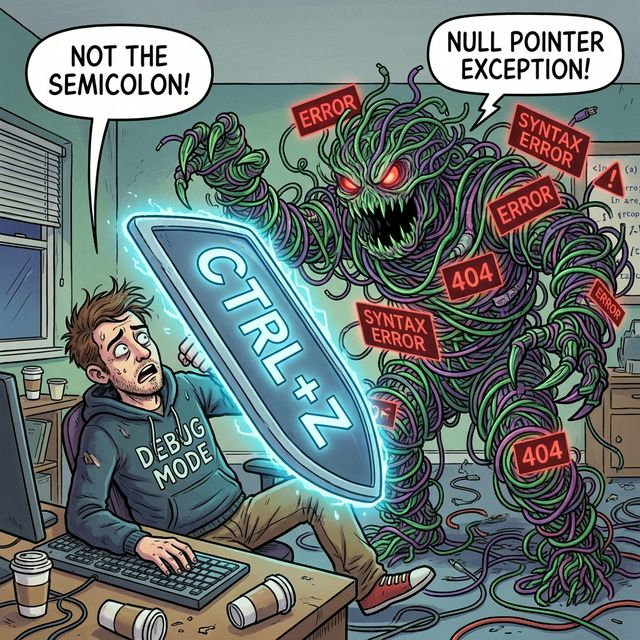
Success stories are comfortable. Failure files are useful. The most meaningful upgrades in this project did not come from happy-path planning sessions with elegant diagrams. They came from incidents that cornered us and forced a decision: mature the workflow now, or keep paying the same pain tax every week.
What follows is not a museum of mistakes. It is a catalog of turning points. Each incident left a scar. Each scar became a guardrail. Each guardrail made the next cycle faster, calmer, and less dependent on late-night heroics and improvised Slack archaeology.
Incident 1: Route Drift and Phantom Endpoints
Symptom: endpoints behaved differently depending on which execution path handled the request.
Root cause: route logic had been split across layers without a single canonical registration contract.
Impact: support noise, confusing regressions, and delayed incident triage.
Change: central route registry and parity validation checks.
Guardrail: route behavior now validated from one source of truth before release.
Incident 2: Task Lifecycle Ambiguity
Symptom: work that looked complete remained operationally incomplete because status never transitioned correctly.
Root cause: stage movement depended on human memory rather than enforced workflow state.
Impact: duplicate work, stale review queues, and noisy handoffs.
Change: required status fields and explicit move operations.
Guardrail: task stage no longer changes without state alignment.
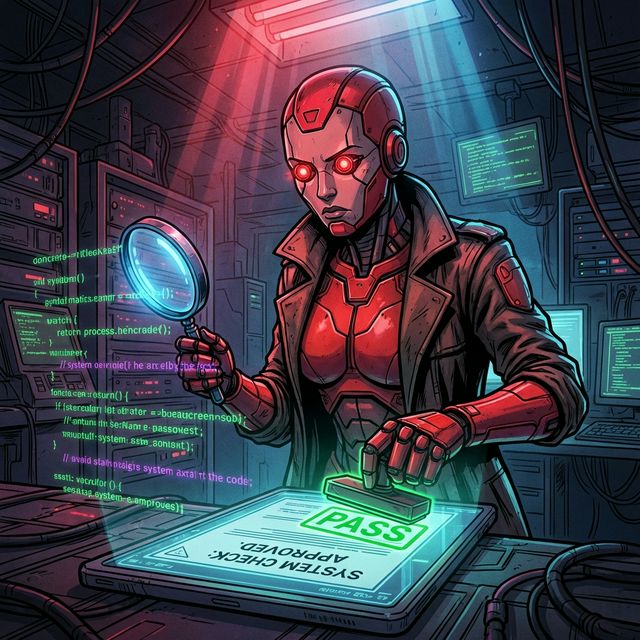
Incident 3: Emergency Fixes Without Memory
Symptom: urgent fixes landed quickly but were impossible to audit later.
Root cause: in urgent moments, process fell back to "fix first, explain never."
Impact: recurring incidents with no durable learnings.
Change: slim hotfix template with mandatory fix summary and test evidence.
Guardrail: no hotfix is considered complete without a written artifact.
Incident 4: Token Burn and Context Drag
Symptom: sessions spent too much effort reloading old context, not solving current problems.
Root cause: unbounded read patterns and overlong conversational state.
Impact: rising cost, longer cycle times, and quality drift from stale assumptions.
Change: strict bootload discipline and progressive disclosure for large docs.
Guardrail: narrow file reads, written summaries, and explicit task contracts.
Incident 5: Role Bleed Across PM, Coder, and QA
Symptom: planning leaked into coding, coding leaked into QA, QA leaked into release decisions.
Root cause: role boundaries were culturally understood but not operationally enforced.
Impact: unstable acceptance criteria and hidden risk transfer.
Change: role mapping embedded in task metadata and gate sequence.
Guardrail: every stage has one accountable owner and one clear exit rule.
What Improved After the Pain
- Faster incident diagnosis due to better artifact trails.
- Less rework because acceptance criteria are concrete earlier.
- Higher confidence in releases because QA replay is explicit.
- Better team trust because accountability is visible, not implied.
The Never Again Checklist
- Never rely on chat memory as system state.
- Never close urgent fixes without written evidence.
- Never treat QA as optional when timelines tighten.
- Never blur role ownership to save one quick turn and lose twenty reruns.
- Never ship without knowing which guardrail protects the next failure class.
Failure is expensive. Repeated failure is optional. The point of this list is not to sound battle-hardened on the internet. The point is to preserve learning so the same scar only needs to happen once, not once per sprint.